
The Art of Time: Why natural wood becomes more beautiful with age

"Some materials simply grow older. Others become more beautiful because of it."
There is a reason why we are drawn to old manor houses, historic townhouses and centuries-old farmsteads. It is rarely because they have remained untouched. Their beauty lies in the layers they have accumulated over time. Worn stone steps, weathered timber beams and oak floors with a rich patina tell stories that no new material ever could.
Natural wood has that same remarkable quality. It is one of the few materials that does not lose its appeal as the years pass. Instead, it develops character, depth and authenticity, making every floor as unique as the life that unfolds upon it.
Why do we expect materials to stay new forever?
Modern society has become accustomed to replacing rather than preserving. We are surrounded by products designed to look perfect on the day they are purchased, yet many begin to lose their appeal the moment they show signs of use.
Natural materials invite us to think differently.
Rather than resisting change, they embrace it. They remind us that beauty is not always found in perfection, but often in authenticity. A material that reflects the passing of time carries something far more valuable than an immaculate surface: it carries a story.
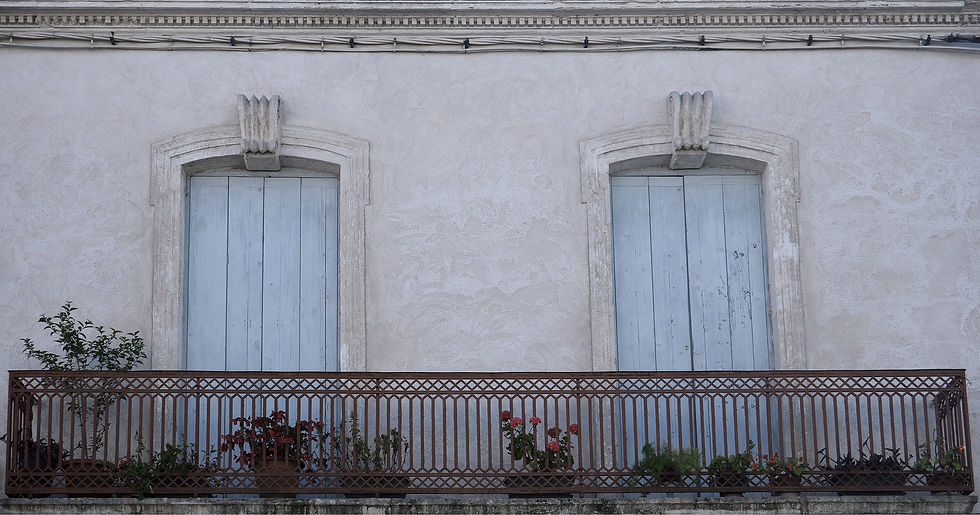
"Perfection captures a moment. Character is built over time."
Wood is a living material
Unlike synthetic alternatives, wood never remains exactly the same. It responds to its surroundings, gradually adapting to changing light, shifting seasons and everyday life.
Morning sunlight reveals different tones than evening light. The subtle variation in colour becomes richer over the years, while the texture gains warmth through daily use. These changes are not imperfections to be corrected but natural expressions of a material that continues to live long after installation.
Every plank follows its own journey, shaped by its grain, its environment and the people who share their lives with it.

Patina is the beauty of lived experience
Patina is often misunderstood as wear. In reality, it represents something entirely different.
A patina is the visible record of time. It reflects years of changing light, countless footsteps, family gatherings, quiet mornings and everyday rituals. Rather than diminishing the material, these subtle changes enrich it.
That is why no two wooden floors ever become alike. Even when they begin with the same finish, every home leaves its own unmistakable signature.
"Patina is not the loss of beauty. It is the accumulation of life."
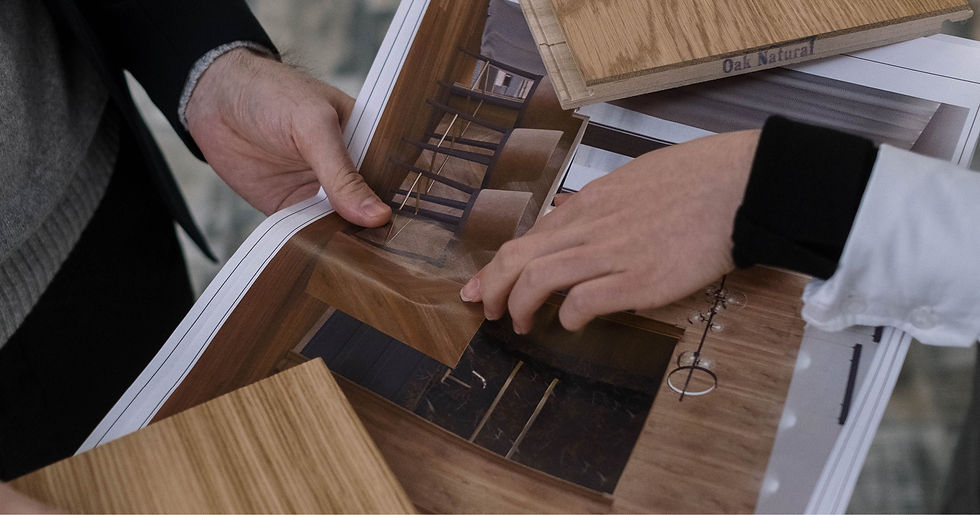
Why architects choose materials that age gracefully
The most enduring interiors rarely depend on trends. Instead, they rely on materials that continue to add value over time.
Architects increasingly favour natural wood because it evolves alongside the spaces they design. Rather than looking dated after a few years, it develops greater depth and individuality, allowing the architecture itself to mature with dignity.
This philosophy also supports a more sustainable approach to design. Choosing materials that become more beautiful with age encourages preservation rather than replacement, creating interiors that remain relevant for decades instead of seasons.
Time is the final craftsman
Craftsmanship does not end when the final plank is installed, nature quietly continues the work.
Sunlight softens colour. Daily life enriches texture. Passing years create nuances that cannot be manufactured, accelerated or copied. Time becomes an invisible collaborator, revealing qualities that only emerge through patience.
Perhaps that is why natural wood feels so timeless. It is never truly finished. It continues to evolve, collecting memories while becoming increasingly personal to those who live with it.
"The most beautiful finish is not created in a workshop. It is created by the years that follow."
At Di Legno, we believe beauty should evolve
Every tree carries decades of history before it even reaches our workshop. Our role is not to conceal that history, but to honour it through craftsmanship that respects the natural character of the wood.
We believe a wooden floor should never feel frozen in time. It should evolve with the architecture, the changing light and the people who call a place home. Because true beauty is not defined by remaining unchanged. It is defined by becoming richer, warmer and more meaningful with every passing year.
In the end, perhaps that is what timeless design is really about: creating something that does not simply endure time, but grows more beautiful because of it.


Comments